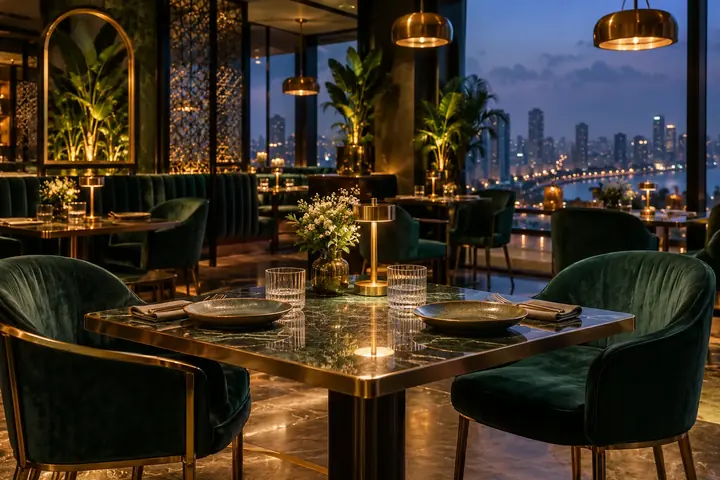
Begin with the meal you actually want to share
A Mumbai dining companion enquiry is most useful when it describes a real occasion. You might want lunch with conversation, an early restaurant meal before a performance or dinner as the entire plan. Explain which of these you have in mind and whether the reservation already exists. A public restaurant meal offers a familiar structure, but it should not be treated as an unspecified evening of availability. The arrangement covers the activity and duration that both people agree, with the venue and finish made clear beforehand.
Think about the atmosphere you would enjoy. A relaxed table where conversation comes easily is a different choice from a celebration with loud music or a formal multi-course service. Neither is automatically better, and labels such as luxury do not explain your preference. Say whether the food, conversation or a particular public occasion is the main focus. That information helps assess the proposed duration and setting. A platonic dinner companion is company for the meal, rather than a promise of a romantic connection or an obligation to continue after the restaurant portion ends.
Select a restaurant for the conversation as well as the menu
A restaurant companion in Mumbai needs a public setting both people can evaluate. Review the complete branch address, reservation process and expected table arrangement. If conversation is central, consider whether the restaurant's music and service style are likely to support it. Photographs can show decor without revealing how the room feels at your preferred time. Ask the restaurant directly about seating limits, access and any practical requirement that affects comfort. The companion service cannot guarantee a particular table or a quiet environment on the venue's behalf.
Menu choice matters too. Share dietary preferences, allergies at the level needed for ordering and whether a fixed menu or a flexible selection would work better. Confirm food-related requirements with the restaurant rather than assuming another person can verify them. There should be no pressure to select an expensive venue, order alcohol or match someone else's appetite. A simple meal can be a complete public occasion. What makes the plan considered is that both people understand the setting and costs, not the reputation of the venue or the number of courses on the table.
Let the reservation establish a realistic schedule
A restaurant reservation is a fixed point around which the rest of the outing can be planned. Share the booking time, public entrance and any deposit or seating condition the venue has supplied. Decide whether you will meet at the host desk or another clearly agreed public point. If you want a brief coffee beforehand, include that activity and its transfer in the original plan. Do not leave the meeting location vague until the last moment or expect another person to locate you inside a busy restaurant without directions.
The finish needs equal attention. A restaurant may take longer to serve than you expect, and a fixed menu can have its own pace. If you must leave by a certain hour, tell the venue and discuss whether a shorter meal is realistic. The companionship arrangement does not guarantee service speed or the timing of your onward journey. Consider lunch or an earlier reservation if that gives the occasion more breathing room. The time and duration guide helps compare a seated meal with a shorter café visit or a longer cultural occasion.
Separate the cost of company from the restaurant bill
Dinner companion fees should be explained independently of food and drink costs. A quote for companionship does not automatically include a restaurant bill, service charge, deposit, transport or ticket for another activity. Ask what is included and which expenses remain separate. If the venue requires advance payment, understand its terms directly and wait until the companionship arrangement is confirmed before making an unnecessary non-refundable commitment. A headline fee is not enough information to assess the total cost of the outing.
Agree a comfortable spending approach before the meal. Neither person should feel obliged to order an expensive menu, buy alcohol or make gifts. If you intend to cover particular meal expenses, state that in the discussion so the written plan is clear. A restaurant's cancellation policy is also distinct from any companionship cancellation or rescheduling terms. The price page outlines the questions to ask about the full arrangement. This website does not publish an hourly dining rate or collect payment through the enquiry form, and no price is implied by the illustrative table photographs.
Choose lunch or an early meal when that suits the day
A lunch companion in Mumbai can share the same kind of public social occasion as dinner, with a different schedule. Daylight, a clear finish and an existing local appointment may make lunch more comfortable for some people. An early meal before a cultural programme can also work if the venues and timing fit. Do not assume that a restaurant outing must take place late in the evening or become more formal than you want. State the time and atmosphere that actually suit your preference.
For Mumbai dinner company, the return journey should be considered before booking the table. Each person travels independently, and the arrangement does not include a pickup, shared ride or private destination afterwards. If one participant has a hard finish, choose a reservation that leaves a realistic margin. A shorter meal is not a reason to rush the other person through food or conversation. If time is very limited, the coffee guide may offer a better format. Select the activity because it fits the available space, rather than trying to force a full dinner into a narrow interval.
Keep introductions truthful and uncomplicated
Dining companionship may involve a chance encounter with acquaintances or a restaurant reservation made in one person's name. Agree a truthful introduction if needed. There is no requirement to invent a romantic relationship, a workplace role or a personal history. A simple explanation that you are meeting for a meal or conversation can be enough. The companion should not be expected to perform a false role for guests, venue staff or family members. If your occasion involves a group, explain that format before discussing suitability.
The social scope stays the same whether the restaurant is casual or formal. This is non-sexual social company for adults, not a dating service or a commitment to intimacy. Respectful conversation allows both people to choose what to share and what to keep private. Avoid photographing, recording or posting another person without permission. The gallery does not show verified people or establish consent for a similar personal photograph. Its fictional imagery suggests an atmosphere; a real meal would need its own agreed expectations, including the freedom to end the interaction if boundaries are not respected.
A group meal needs a different enquiry from a table for two
If your public dinner outing is part of a permitted group occasion, describe the guest arrangement honestly. A meal with friends, a hosted celebration and a public event reception have different expectations. Ask the host whether an additional guest is welcome and whether the reservation can be changed. Include likely introductions, dress expectations and the part of the evening you want to share. Do not assume that a companion who agrees to a restaurant meal has automatically agreed to a larger social role or a private gathering afterwards.
Keep private information about other diners out of the first message. A short explanation of the event format is enough to establish whether it might fit the service. The companion is not engaged as a colleague, spokesperson or professional adviser. If a group meal involves business discussions, confidential material or a role beyond public social company, that needs to be identified and may be unsuitable. The event companion guide provides more detail about invitations and guest policies. It can help you decide whether the enquiry is primarily a dining occasion or an event with a restaurant element.
Plan changes without assuming an extended evening
Restaurants can change reservations, run late or become unavailable. Discuss how a suitable public alternative would be chosen and how much notice either person should give. If the venue is central to the occasion, rescheduling may be more appropriate than replacing it with an entirely different activity. A change should be mutually agreed rather than presented as a decision the other participant must accept. Keep any cancellation or rescheduling conditions visible before committing, including the separate policies of the restaurant itself.
The same applies when the meal is going well. Dessert, a second venue or a longer conversation may sound appealing, but extra time is not automatically available. An extension requires mutual agreement about duration and cost, and either person can decline without having to justify it. Moving from a restaurant to a private room or residence is outside the stated scope. A clear finish is part of a comfortable public outing, not a sign that it was unsuccessful. It allows both people to plan their own journey and preserves the expectations that made the meal suitable in the first place.
Write a dining brief around the reservation and budget
A practical enquiry names the public restaurant or preferred area, the date, reservation time and approximate duration. Mention the meal format, budget considerations, dietary preferences and any access requirement. Add whether it is a table for two or a permitted public group occasion. A first name and reply email are enough to begin; avoid sending identity documents, payment information or private addresses. Ask about availability and the complete terms rather than assuming that an image or a page title has reserved a person for your table.
The current form prepares a browser-based draft and shows demo contacts, so it does not deliver a live booking request. Once genuine operator information is configured, review any response for the fee, separate expenses, public setting, finish time and change conditions. For locality decisions, compare Colaba for a culture-linked meal, Bandra for an East or West plan, or Thane for a locally focused occasion there. Choose the venue and schedule that leave room to enjoy the conversation instead of measuring the evening by how many activities it includes.
Compare a dinner-only plan with a combined outing
Imagine that you want a restaurant conversation after an exhibition. One option is to arrange company for both the cultural visit and the meal, with admission, transfer and dining time all included in the proposed schedule. Another is to meet at the restaurant for dinner alone. These are different requests even if they end at the same table. Choose the format according to how much of the occasion you actually want to share and the time you can comfortably protect.
If dinner is the main purpose, keep the brief centred on the restaurant reservation and use the exhibition only as background to a possible conversation. You do not need a combined itinerary to make the meal meaningful. If both parts matter, ask how the total duration and separate costs would be handled before buying tickets or accepting a quote. This comparison helps prevent a simple restaurant request from quietly becoming a much larger commitment.