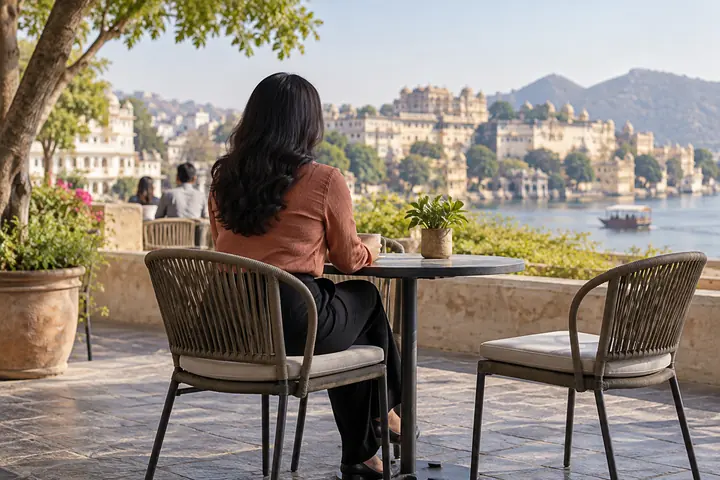
Describe the occasion honestly
A restaurant meal, an exhibition visit and an invited public event involve different expectations. Explain which one you mean before discussing dates. Include whether other guests will be present and whether a host needs to approve an additional attendee. Do not describe a private gathering as a public venue simply because several people will attend.
For an event, agree a truthful introduction. A companion should not be expected to impersonate a romantic partner, employee, business associate or family member. The public event guide covers invitations and guest arrangements in more detail. A simple introduction by name can often avoid an unnecessary story.
Treat boundaries as part of the plan
The described companionship is social, non-sexual and strictly platonic. An agreed fee, if a booking is later confirmed, would not create consent to physical contact, personal disclosures, photography or a change of venue. The scope remains the public activity both people accepted.
Either person may decline a topic, suggest a pause or choose to leave. Courtesy includes listening to that response without argument. Do not make the other person justify a personal limit. A useful shared plan sets the meeting place and finish time while leaving room for ordinary preferences about seating, noise and conversation.
Use conversation without pressure
Begin with the occasion itself: the exhibition you are viewing, a book you noticed or the reason you chose the café. Open questions are easier to answer when they do not demand intimate information. It is fine to leave quiet moments between topics or spend a few minutes looking at an exhibit separately.
Avoid turning the meeting into an interview about someone’s home, relationships or finances. The aim is a comfortable public experience, not access to somebody’s private life. If a topic is unwelcome, move on. The first-meeting field note offers another way to think about an unhurried introduction.
Ask before taking photographs
A picturesque setting does not give permission to photograph another person. Ask before taking a picture and separately before sharing it. A yes to one photograph is not blanket permission for a video, a public post or a location tag. Respect a refusal without seeking a compromise.
Venue rules matter too. Check whether photography is allowed at a gallery, performance or exhibition. Keep other visitors out of a frame where possible. The website’s illustrative gallery shows an atmosphere and a privacy-conscious visual approach; it is not a catalogue of people you can request.
Be considerate with time and costs
Arrive at the agreed public meeting point and communicate a delay when you can. An extension should be discussed before the original finish time, including whether it is possible and what it would cost. Extra time is never automatic, even if the conversation is enjoyable.
Order within the expense arrangement you agreed. Clarify separate bills, shared dishes and tickets before a purchase creates pressure. If circumstances change, return to the written plan rather than making assumptions. Time and durations, fees and expenses and the terms explain the information to settle before confirming.