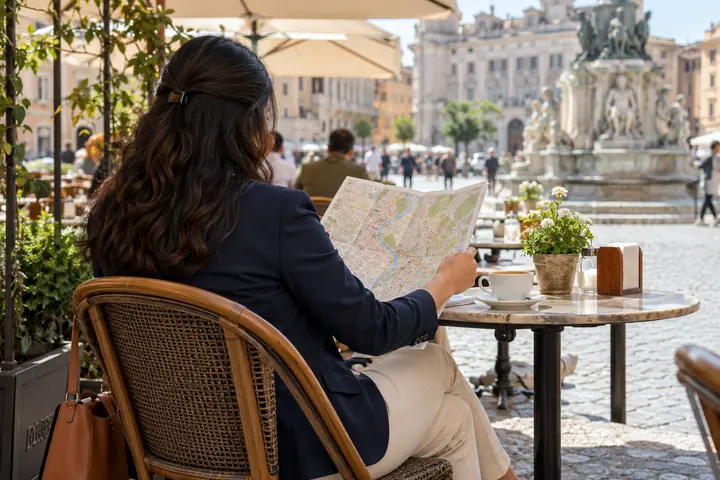
Choose an interest before drawing the route
A Mumbai city companion request becomes easier to plan when it begins with what you want to share. You might be interested in looking at art, browsing books, talking over food or spending a little time in a public setting that feels different from your usual day. Choose one main interest before adding locations. A route built around a clear purpose is easier to enjoy than a list of places gathered because they are familiar names. It also makes the enquiry more useful, because the other participant can understand the experience rather than only the geography.
Ask yourself what a satisfying finish would look like. Perhaps you would like to have seen one exhibition without rushing or enjoyed a conversation over a meal. That outcome does not require a full day or a long sequence of transfers. A platonic city companion is company for the agreed activity, not a promise to make every moment exceptional. Give the occasion a manageable ambition. Once the main interest is clear, the practical decisions about area, public venue, pace and duration can support it rather than compete for attention.
Understand the difference between company and guiding
A local companion in Mumbai can share a public experience without being a professional guide, historian, interpreter or travel planner. The distinction should be clear before the outing. Social company may involve exchanging impressions, discussing interests and enjoying an ordinary conversation. It does not establish specialist knowledge, authority to lead a formal tour or responsibility for making travel decisions on your behalf. If expert interpretation or a particular language service is central to your visit, arrange that through an appropriate qualified provider.
This does not make a companion outing less worthwhile. A museum visit can be engaging when both people are curious rather than when one is expected to deliver a lecture. A walk between public venues can invite everyday observation without becoming a guided heritage route. Describe the role you actually want. If you would enjoy company while attending an independently booked public programme, explain that programme and its conditions. The service is not a substitute for a tour booking, transport arrangement or admission ticket. Keeping those roles distinct lets the social part remain natural and avoids asking one person to provide expertise they have never claimed.
Use one public anchor to organise the day
Public outings in Mumbai work best when the first shared activity has a clear place and purpose. Choose a staffed café, restaurant, exhibition or suitable public programme as the anchor. Give the full current venue name and address, and identify an entrance that both participants can find independently. A broad instruction to meet somewhere in an area leaves too much unresolved. If the setting is inside a larger building, check visitor access and any floor information before sending the final meeting details.
The anchor should be something you would still enjoy if an optional second activity did not happen. That makes the outing more resilient to weather, energy levels or a changed schedule. A café conversation can be complete on its own; an exhibition can remain the main event without a compulsory dinner afterwards. The area directory helps compare locations, while the service overview describes the available formats. Choose the area because it supports the occasion and independent journeys, not because a familiar neighbourhood name makes the itinerary appear more impressive.
Treat the route as part of the experience
A Mumbai companion itinerary should account for movement rather than hide it between attractive descriptions. If two public venues are involved, check the actual route, likely transfer and final approach using current information. The companion arrangement does not supply a vehicle or guarantee a shared ride. Each participant needs to understand how the transition will work and whether it fits the requested duration. A short-looking line on a map is not the same as a comfortable journey at the time you intend to travel.
Keep extra stops purposeful. A café after a cultural visit may give room to discuss what you saw; another destination added merely to fill time may dilute the experience. You can propose a compact route in one area or decide that a single venue is enough. If the plan changes to another part of the city, revisit timing and expenses before assuming it is included. The planning guide helps keep those changes explicit. The best route is the one that lets both people pay attention to the activity and conversation instead of spending the outing managing transfers.
Choose a pace that belongs to both participants
A companion for city outings should know how active you want the shared time to be. Some people enjoy browsing slowly, others prefer a seated conversation, and others like a short walk between public venues. State the practical preference without assuming one style is more authentic or more worthwhile. If seating, steps or a particular entrance matters, check the current venue information directly. You can describe an access need in functional terms without sharing medical details that are not relevant to the plan.
Pace also includes attention. An exhibition may invite long pauses, while a café conversation can move between topics quickly. Neither participant should feel required to keep talking or moving continuously. Agree how much activity fits the duration and leave room for ordinary pauses, ordering and transitions. A slower outing does not necessarily need a longer booking; it may simply need fewer stops. The duration page helps frame a realistic window. A shared pace gives both people a way to enjoy the day rather than asking one person to keep up with an itinerary chosen without their preferences.
Use culture as a conversation, not a test
A Mumbai cultural outing can offer a shared subject without requiring either person to be an expert. Choose an actual public exhibition, talk or programme and check current admission conditions. You might notice a colour, a material, a story or a question that remains after looking. Those observations can start a conversation without an argument about the correct interpretation. If the setting asks for quiet, save discussion for an appropriate pause or a public café afterwards. Respect the venue's photography and visitor rules.
The art and culture guide explores ways to look, listen and compare impressions at a comfortable pace. It is fine for interests to differ. One person may enjoy a particular room more than another, and the outing does not need to produce a shared verdict. A Mumbai social companion is not being asked to flatter your taste or perform expertise. The value can lie in noticing something you would have passed by alone, then hearing another ordinary perspective. Keep the activity open enough for curiosity while making its location, admission and duration concrete.
Give visitors a manageable first city occasion
A Mumbai visitor companion request can be useful when you would like company for one public experience during a stay. Begin with a time window you can protect after accounting for your own arrival, accommodation and onward travel. Avoid placing the social meeting immediately after an uncertain flight, train or long journey. The service does not include airport pickup, luggage handling or checking you into accommodation. Choose an independently accessible public venue and keep private room details out of the initial enquiry.
Visitors do not need to see everything in one outing. A single café conversation or cultural visit can make a more comfortable introduction than a long list of destinations. Tell the operator whether you are unfamiliar with the area and what kind of public setting you would enjoy, but do not assume the companion is responsible for your whole travel schedule. If professional sightseeing or transport is needed, arrange it separately. The Colaba guide provides one example of a culture-led area, while the wider directory offers other options. Choose according to the day you actually have rather than an idealised itinerary.
Make the public social role clear
Non-sexual city companionship means adults sharing an agreed public activity without an implied romantic, sexual or private continuation. A companion is not being presented as a spouse, date, employee or person with an invented history. If you expect introductions at a programme or restaurant, agree truthful wording that feels comfortable. Ordinary company does not need an elaborate explanation. Keep the request centred on the activity and respect the other person's choice about photographs, recordings and exchanging personal accounts.
The illustrations on the site do not identify available companions or verify the places shown. They cannot be used to select a promised appearance or establish a relationship before anyone has responded. A useful first enquiry includes a first name, reply address, preferred date, public venue and approximate duration. It does not need identity documents, financial details or a private biography. The privacy notice explains how the current draft works. Clear boundaries give the conversation room to be friendly without leaving either participant guessing what the request is supposed to include beyond the stated outing.
Compare the complete commitment before deciding
City companion fees should be attached to a defined public itinerary. Ask what duration is covered and which expenses are separate, including café orders, meals, tickets and any agreed travel-related charge. A two-venue plan may involve more time than the main activity alone. Do not assume admission or purchases are included because they appear in the itinerary description. A useful quote makes the relationship between the proposed experience and the cost clear enough that you can choose a simpler format if that better suits your budget.
Read the change terms alongside the price. Weather, venue availability or a programme change may affect an optional part of the outing. Decide whether to use a suitable public alternative, shorten the activity or reschedule according to the agreement. The site has no live slots and does not publish a universal city outing rate. The fees guide explains the questions to raise. Avoid buying dependent non-refundable tickets before availability and terms are confirmed. A clear cost picture helps the occasion feel settled, allowing attention to return to the shared experience rather than unresolved practical questions.
Send a proposal with one main idea
A good city companion enquiry can be brief and specific. Say that you would like to share a public exhibition followed by a café conversation, or a single restaurant meal, on a preferred date. Name the area and venue if chosen, state the approximate duration and mention a firm finish or practical access preference. Explain the interest that connects the activities. Ask whether the plan is suitable and available, what the full quote covers and which terms apply. The message should describe an occasion another person can assess rather than an open-ended request for company anywhere in the city.
The current contact page creates a local draft using demo contact details. It does not send a live booking request, reserve time or take payment. Once genuine information is configured, review the reply and confirm the public venue, start, finish, expenses and boundaries in writing. If the first idea is too complicated, simplify it rather than adding more alternatives to the same message. One well-defined public occasion gives a real operator a clearer basis for responding and gives both participants a more coherent experience to look forward to.