Begin with curiosity rather than a complete itinerary
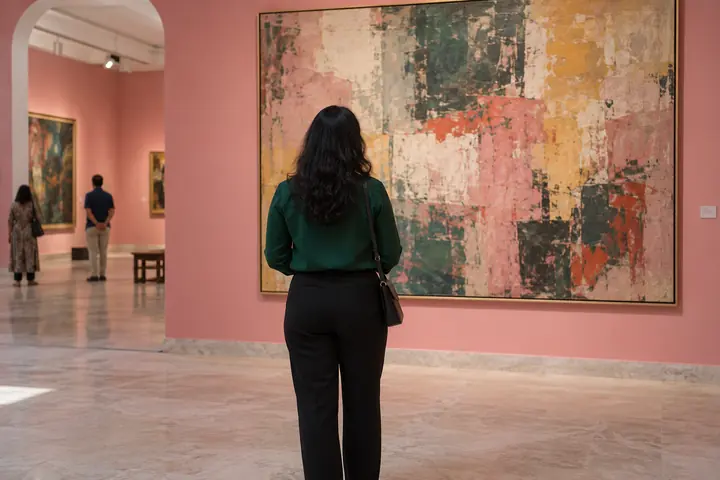
A Mumbai art companion request can start with one exhibition you have noticed or a type of work that interests you. Perhaps you enjoy photography, textiles, sculpture or the way a museum tells a story through ordinary objects. Name that interest without assuming the other person shares your knowledge or taste. The most useful proposal explains why you would like company for the visit. It might be pleasant to hear another impression, have someone to discuss a difficult work with, or simply give yourself a reason to look more patiently.
Avoid making a cultural afternoon into an obligation to cover every important place. One room explored attentively can offer more to discuss than several buildings crossed in a rush. Decide what a satisfying visit would feel like: a few memorable works, an introduction to an unfamiliar subject, or an unhurried exchange afterwards. That purpose helps you select the programme and duration. The outing is not a test of sophistication, and a companion is not expected to endorse your interpretation. A shared curiosity is enough to create a clear, ordinary reason to spend time together in public.
Choose a current programme and verify its conditions
A public gallery outing needs a specific current destination. Check the exhibition's official information for dates, opening hours, admission conditions and any advance booking requirement. An attractive photograph from an earlier programme may no longer describe what is on view. If the exhibition has timed entry, decide which session fits both independent journeys before purchasing. Write down the venue's full name, address and public entrance; a cultural district or familiar landmark alone does not identify where the meeting will begin.
Consider what the venue actually offers on your proposed date. Some displays are compact, while others require time to move between rooms or wait for an installation. An artist talk may have separate registration even when general entry is available. These details should be checked with the organiser, not inferred from this guide. The site has no venue partnerships, reserved access or ticket allocation. If the programme is central to your occasion, confirm its conditions first and then discuss companionship around that real activity rather than treating admission and company as a single automatically available package.
Keep social company distinct from expert interpretation
A gallery companion in Mumbai is being proposed for a shared social experience, not as a curator, critic or qualified guide. Both participants may notice things, ask ordinary questions and compare reactions without one taking responsibility for an authoritative explanation. If you want a formal tour, a specialist lecture or interpretation in a particular language, arrange that through the venue or an appropriate provider. A social companion can be discussed for attending a public programme, but the programme's own entry and conduct rules still apply.
This distinction can make the visit more relaxed. You do not need to identify an artist's entire career before saying that a painting holds your attention. You can use a label to learn something new and acknowledge when a question remains unanswered. A platonic art companion is not required to perform expertise or pretend to understand every work immediately. Let uncertainty be part of the conversation. Respectful disagreement, a moment of surprise and even an honest lack of interest can all belong in a worthwhile visit when neither person is being assessed for having the correct response.
Agree a rhythm for looking and talking
A Mumbai exhibition companion may prefer to look quietly before discussing a work, while you may think aloud as soon as something catches your eye. Mention these preferences at the start rather than assuming one style is the normal way to visit. A useful rhythm is to look independently for a short period and compare impressions at natural pauses. Stay within the venue's rules about quiet, movement and group discussion. Avoid blocking a doorway or standing in front of a work for so long that other visitors cannot see it.
Conversation need not follow a fixed sequence. You might ask what detail somebody noticed first, which object they would return to, or whether a display changed their initial expectation. Questions that invite observation can be easier than asking for a verdict about whether an exhibition is good. Leave room for different answers and for silence. The purpose is culture and conversation, not continuous commentary. If a room is crowded or particularly quiet, save the longer exchange for a bench, a permitted discussion area or a public café after the viewing has finished.
Build a museum visit around a manageable theme
A museum companion in Mumbai can be proposed for a visit that follows one interest through a larger collection. Rather than promising to see every gallery, choose a theme, a small group of objects or a section you have been meaning to revisit. Read the venue's current visitor information and allow for the distance between the entrance, the relevant rooms and any facilities you need. A large building can require more movement than the exhibition title suggests. Discuss that practical scale before fixing the duration.
A Mumbai museum visit can also be enjoyable when the participants have different starting points. One person may be drawn to how an object was made, another to its everyday use or the story surrounding it. Share observations without making personal knowledge a competition. If the information is uncertain, consult the available interpretation or leave the question open. The companion arrangement does not provide research services or authenticate objects. Its role is to make room for a shared public experience, with enough time to notice what matters to each person instead of treating the collection as a checklist.
Make comfort and access part of the cultural plan
A cultural outing in Mumbai should fit the pace both people can enjoy. Ask the venue about relevant entrance arrangements, steps, lifts, seating and the route to the exhibition. Do not infer access from a photograph or a general description of the building. You can describe a practical need, such as shorter periods of standing or a seated pause, without supplying a diagnosis. The access planning guide offers questions to ask directly and explains the difference between social company and specialist assistance.
Consider attention as well as physical movement. A dense exhibition can be tiring even when the rooms are close together. Agree that it is acceptable to skip a section, pause or finish earlier within the arrangement rather than continuing only to complete the floor plan. If you want a café afterwards, verify whether it is publicly accessible and whether a separate admission or reservation applies. A comfortable plan is not necessarily an extended one. Fewer rooms and a deliberate pause can give the conversation more substance than adding another venue when both participants are ready to stop.
Respect photography rules and personal privacy
A Mumbai cultural companion is not being asked to become the subject of a photo session. Check the venue's rules before using a camera and separately ask permission before photographing another person. Permission to take one picture does not include permission to publish it, add a name or reveal a location. Respect a refusal without proposing repeated alternatives. You can remember the occasion through notes about the works, a permitted picture of an object or a programme you choose to keep, without creating an identifiable portrait.
The website's gallery uses fictional imagery to suggest a public atmosphere. Those pictures do not identify a person who can attend your visit or a named exhibition that is currently open. During the outing, keep other visitors out of photographs where possible and avoid recording private conversations. Some cultural programmes restrict phones or photography entirely; participating means respecting those conditions. An ordinary, truthful introduction is enough if someone asks how you know each other. There is no expectation to invent a romantic relationship, professional connection or shared biography to make the cultural occasion appear more conventional.
Let a café pause extend the subject naturally
Art can provide a subject that carries comfortably into a nearby café, but the second stop should be agreed rather than assumed. Discuss whether the request includes only the exhibition or also time afterwards. Check the route, the likely ordering process and the intended finish before adding it to the plan. A café within the same area may be convenient, yet the actual distance and public access still matter. The coffee guide covers a seated conversation when that is the main occasion instead.
Use the pause to return to something that stayed with you, without requiring a formal review of everything you saw. You may want to discuss a single material, a surprising connection or a disagreement that became clearer after leaving the room. It is also fine for the conversation to move elsewhere. An exhibition supplies a starting point, not a compulsory topic for the entire afternoon. Keep food and drink costs within the agreed expense arrangement, and do not extend the finish automatically because the exchange is enjoyable. A good ending leaves the occasion clear and comfortable for both people.
Compare the complete cost of the proposed visit
Art companion fees need to relate to a defined date, duration and public activity. Ask what the companionship quote includes and which costs remain separate. Exhibition admission, a guided programme, a café order and any agreed travel-related expense are different items. A free-entry gallery would not establish a free companionship arrangement, just as a paid ticket would not cover company. The fees guide helps separate these questions so you can evaluate the total commitment before deciding whether the format suits you.
Read the change conditions before buying tickets that depend on another person's attendance. Ask how rescheduling works if the exhibition closes unexpectedly, the programme changes or an agreed participant cannot attend. Venue refunds may follow different conditions from any companionship agreement. This site does not set an automatic refund promise, take payment or reserve a slot. A clear written response should identify the public meeting point, covered time, expenses and relevant terms. Once those details are settled, the planning can recede into the background and leave attention available for the actual visit.
Send an invitation with a clear cultural focus
An enquiry for a Mumbai cultural companion can be concise while still giving useful context. Name the exhibition or programme, your preferred date, a realistic time window and the kind of pace you would enjoy. Mention whether you would like a quiet viewing, discussion as you go or an optional café afterwards. If the venue is not yet chosen, identify an interest and the area that fits your journeys. The Fort and Colaba guides offer different planning contexts without promising a particular venue or available person.
Review the message before treating it as ready to send. It should describe a public cultural occasion rather than a request for expertise, personal access or a specific appearance. Keep identity documents, banking details and unrelated private information out of it. The current form prepares a local draft using demo contact details; it does not contact an operator or confirm attendance. Once real contact information is configured, assess the reply against your actual proposal. A useful confirmation connects the experience you want with an agreed place, time, cost and set of boundaries, leaving the cultural conversation itself open.