Choose a theme before collecting landmarks
A Fort Mumbai escort enquiry can begin with an interest rather than a long itinerary. You might be curious about street-level architectural detail, contemporary art, old maps, book covers or the way office streets change through the day. Any one of these can give a public outing a coherent shape. Choose a theme broad enough for conversation but narrow enough that you do not feel obliged to see everything. The purpose is to share an experience, not demonstrate how many places you can fit into a single afternoon.
A platonic companion in Fort can join you in noticing and discussing what you encounter. Specialist historical knowledge, research services and privileged building access are not included. If an expert explanation is central to your interest, select an appropriate professional tour independently and discuss the social company separately. For a simpler plan, identify one public stop and a café where the conversation can continue. This gives both people a clear picture of the occasion without requiring them to commit to an open-ended walking route or an ambitious list of institutions.
Read the street without assuming every doorway is open
Fort's built environment can prompt an engaging architecture conversation, but the public street and the interior of a building are different spaces. An interesting façade may belong to a workplace, residence, religious institution or restricted organisation. Check visitor arrangements before proposing entry, and do not rely on the appearance of an open door. Keep any casual observation respectful of people using the area for their ordinary day. The outing should never depend on persuading a guard to make an exception or treating a working entrance as a photo backdrop.
Choose a short stretch with safe places to pause and a manageable number of crossings. Looking carefully at a few details can provide more to discuss than rushing between distant landmarks. You can compare materials, lettering, scale or the way a building meets the pavement without claiming an authoritative interpretation. If a particular site matters, consult its own current visitor information. The art and culture companion guide helps frame an interest-led outing, while a specialist guide remains the right choice when factual historical instruction is the main service you want.
Use an exhibition as the anchor, not a filler
An art companion in Fort can suit a visitor who enjoys having someone with whom to exchange impressions. Begin by finding a current public exhibition that interests you and checking its own admission information. Decide how long you would like to spend looking, whether you prefer quiet viewing or occasional conversation, and whether there is an appropriate place to talk afterwards. Do not assume every cultural venue permits the same behaviour, bag size or photography. A thoughtful brief acknowledges that the work and other visitors deserve attention too.
There is no need to arrive with specialist vocabulary or an agreed opinion. You might notice a colour, a material, a repeated shape or a question raised by the artist. A companion can offer another perspective without being expected to teach or validate every interpretation. If the exhibition you selected is unavailable on your date, choose another relevant programme or reschedule rather than substituting an unrelated attraction simply to keep the itinerary full. One exhibition and an unhurried café conversation can be a complete cultural occasion, with a clearer purpose than a chain of rushed visits.
Make browsing comfortable for the shop and for you
A bookshop companion in Fort offers a quieter possibility for someone who enjoys browsing, covers, essays or the discovery of an unfamiliar subject. Choose a shop that is open to casual visitors and respect its space and customer rules. Browsing together does not require buying the same book or following each other through every shelf. You can spend a little time separately, then exchange discoveries in a way that does not disturb other customers. If a reading or launch is the reason for visiting, check its registration arrangements directly.
Treat the shop as a shared public interest, not a private sitting room. Long conversations may be better continued at a café, especially if the shop is small or busy. Discuss purchases and carrying your own belongings independently; companionship does not include shopping assistance or a promise to locate rare editions. A useful enquiry names the kind of reading you enjoy and the approximate browsing interval. That lets the bookshop stop contribute naturally to the afternoon, instead of adding it as an obligatory activity because it appears on a neighbourhood list.
Give the café conversation room to develop
A coffee companion in Fort can provide the part of a cultural outing where impressions become a real conversation. Select a venue close enough to the main activity that a transfer does not consume the remaining time. Check the branch, seating and likely sound level, and avoid assuming a table will be available merely because the café appears nearby on a map. If conversation is your priority, a straightforward café may work better than a highly photographed place where queues and turnover dominate the visit.
You can use what you have just seen as an opening without turning the meeting into a review session. A detail from an exhibition might lead to travel, reading or an ordinary memory; the conversation does not have to remain on theme. Neither person is required to disclose private circumstances or keep talking through every pause. The coffee guide explains how a seated meeting can stand on its own. If the cultural stop begins to feel like unnecessary effort, it is reasonable to choose the café as the whole occasion and keep the afternoon deliberately simple.
Plan a public lunch around attention rather than prestige
A dining companion in Fort can make a museum or architecture afternoon feel less rushed when the meal is planned as a real part of the schedule. Choose a public restaurant by menu, access, noise and the time available, rather than by a broad claim that a certain address is essential. Check whether the table has a time limit and whether any deposit is required. If you want to discuss the morning's cultural activity, make sure the setting is suitable for conversation rather than assuming every dining room offers the same atmosphere.
Agree the meal budget and separate expenses before the outing. A companionship fee does not automatically include lunch, drinks, service charges or admission to the earlier activity. Dietary preferences can be described plainly, without making one person responsible for guessing what the other would enjoy. A truthful introduction is enough if staff or acquaintances ask about the occasion. The dining guide has more detail on reservations and finishing arrangements. You can end after the meal; an afternoon does not become more worthwhile merely because it continues into another neighbourhood or a later reservation.
Build a route that can be shortened gracefully
Public outings in Fort benefit from a route with a clear anchor and an optional element. For example, an exhibition may be the main activity, with a brief street observation and café conversation added only if the agreed time and comfort allow. Identify what can be removed without spoiling the purpose. A plan that depends on every stop happening in sequence is harder to enjoy when a venue is busy or outdoor conditions change. Leave enough space for looking and listening rather than filling every minute on paper.
Consider pavement conditions, crossings, heat and the need for seating, and ask venues directly about step-free access where relevant. Do not promise a fixed walking time or treat a map's distance as a measure of everyone's comfort. Each participant arranges their own travel, and any transfer between public venues should be part of the agreed duration. A short outing with a natural stopping point is often easier to share than one with an uncertain finish. The city companion guide offers a broader framework for choosing a manageable public route.
Keep cultural tickets and social arrangements separate
A Fort escort service discussion should identify the public programme, date and desired duration before money is committed to an additional place. The organiser controls admission; Mumbai Escorts 247 does not promise tickets, priority entry or an exception to visitor rules. If the event is a reading, exhibition preview or other hosted occasion, establish whether an extra guest is allowed and how that person should be registered. A companion should not be described as a colleague, critic or professional representative unless that is a truthful role they actually hold.
Ask which charges belong to companionship and which are venue expenses. The quote should also explain cancellation, changes and the effect of a late arrival. If a ticketed programme changes, discuss whether to revise the shared plan or select another date rather than assuming the original fee covers any replacement. The fees page helps organise these questions. A cultural afternoon can feel informal while still having a clear agreement; clarity beforehand allows the actual encounter with art, books or streets to feel less burdened by unresolved practical matters.
Respect the difference between a memory and a publicity image
Companionship in Fort may appeal to someone who enjoys photography, but the wish to remember an afternoon does not imply consent to photograph a companion. Discuss any image-making beforehand, including whether a picture would remain private or be published. A person may be comfortable sharing a public outing and still decline to appear in photos. Venue rules and the privacy of other visitors also apply. Architecture and objects can provide interesting subjects without turning strangers or a companion into part of an unagreed photo session.
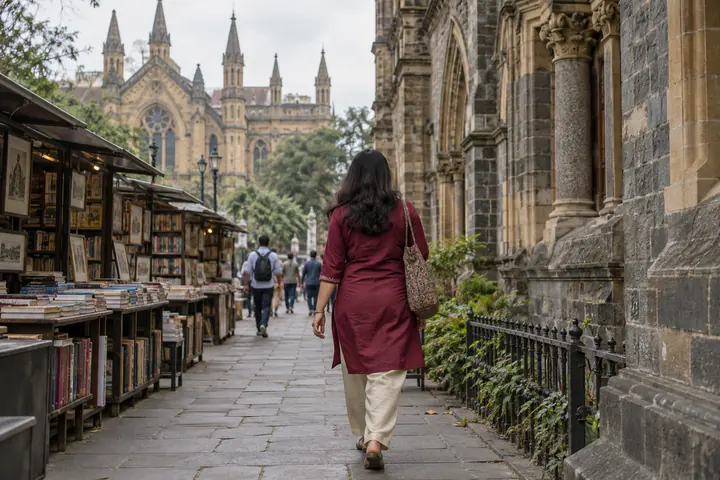
The illustrations on this page are fictional visual context, not documentary evidence of a visit, an available individual or an affiliated gallery. They should help convey a thoughtful public mood while the written plan establishes what can actually happen. Keep this distinction in mind when choosing the occasion: select an interest and setting, not a face or supposed lifestyle from an image. If professional photography is the activity you want, arrange an appropriate photographer separately. Social companionship should not be treated as an implied modelling service or permission to create promotional material.
Write a short brief with one clear cultural priority
A useful Fort companion enquiry might explain that you would like to visit a current exhibition, spend about an hour looking and then have a public café conversation. Include the preferred date, venue information, approximate total duration and any access preference. If you have not chosen the exhibition, describe the subject that interests you rather than asking for an unspecified tour of the entire area. This gives a response something concrete to address. Avoid sending identity documents, payment details or private residential information in a preliminary message.
The contact form currently prepares a draft using demo details; it does not book a companion or deliver a live request. Once genuine operator contacts are configured, confirm the final scope, availability, fees and change terms in writing. Compare Colaba's culture-led guide if your chosen venue is there, or Churchgate if a seated arrival-day conversation fits better. Choose the page that reflects the actual location and purpose. Fort does not need to become the centre of every South Mumbai plan; it is one setting for an afternoon shaped by the things you would enjoy noticing together.